Tjvldrpdla: System Usage & Profile Metrics
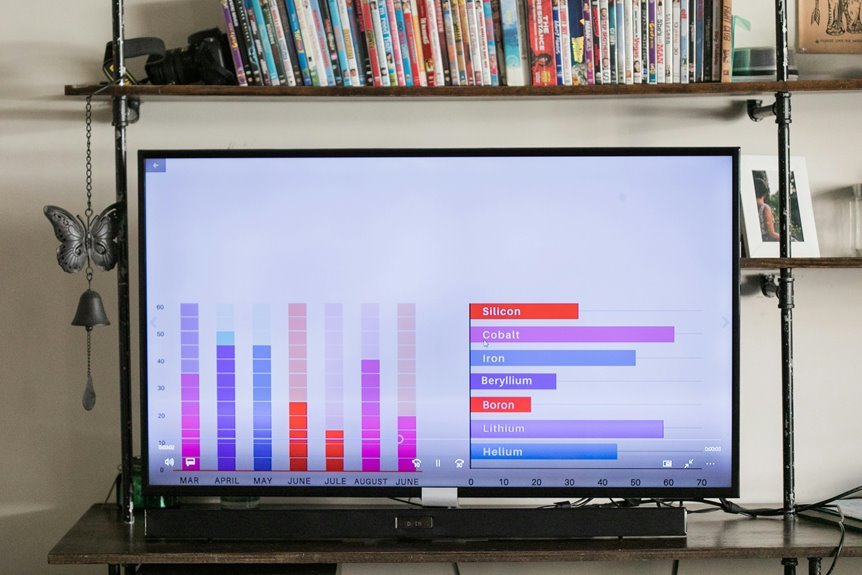
Tjvldrpdla stands out as a vital tool for organizations aiming to decode user interactions and behaviors. By meticulously tracking key performance indicators, it sheds light on user engagement and retention. This analytical approach allows teams to harness insights effectively. Understanding these metrics can significantly influence decision-making. However, the implications of these insights extend beyond mere analysis, raising questions about their impact on strategic alignment and long-term success.
Understanding Tjvldrpdla and Its Importance
Tjvldrpdla serves as a critical framework within the realm of system usage and profile metrics, allowing organizations to effectively analyze user interactions and behaviors.
The tjvldrpdla features include real-time data analysis and customizable reporting, which enhance decision-making processes.
The tjdvlrdpla benefits extend to improved user engagement and optimized system performance, ultimately fostering an environment that encourages freedom and innovation within organizational structures.
Key Metrics Tracked by Tjvldrpdla
Effective analysis of user interactions hinges on the identification and tracking of key metrics. Tjvldrpdla emphasizes user engagement as a critical performance indicator, assessing metrics such as active sessions, user retention rates, and interaction frequency.
These indicators provide valuable insights into user behavior, enabling a deeper understanding of engagement levels, thereby facilitating informed decision-making for enhancing user experiences and optimizing system utilization.
Leveraging Insights for Organizational Success
While organizations often collect vast amounts of data, the true value lies in their ability to leverage insights derived from key metrics for strategic advantage.
By making data-driven decisions, organizations can enhance performance optimization, aligning resources effectively to achieve objectives.
This analytical approach fosters a culture of continuous improvement, empowering teams to innovate and adapt, ultimately driving success and ensuring greater organizational freedom.
Conclusion
In the dynamic landscape of user interaction, Tjvldrpdla stands as a lighthouse, illuminating vital metrics that guide organizations toward informed decision-making. By harnessing insights on user engagement and retention, teams can adapt and innovate, ensuring their strategies resonate with users’ needs. The framework not only enhances system performance but also aligns resources with overarching goals, ultimately fostering a culture of continuous improvement and sustained success. Embracing Tjvldrpdla is essential for navigating the complexities of modern user engagement.